
Ageless Clinic

Generic selectors
Exact matches only
Search in title
Search in content
Post Type Selectors
Generic selectors
Exact matches only
Search in title
Search in content
Post Type Selectors

All about Sun Damage related Aging & What you can do

Does the sun really damage your skin and accelerate ageing? If yes how and how much. We ask Dr.Harshna Bijlani, Medical Head of The Ageless Clinic all about Sun Damage and what you can do to reverse it.

  1. What is sun damage? How does it happen?
    Sun damage is the damage caused to your skin due to direct and indirect exposure to the sun. Direct exposure is when you’re outdoors or out in the sun, indirect exposure is when the sun is penetrating through the windows or you’re in a semi-sheltered area. We may think that we’re protected from the sun when we’re in a car, inside the house, at work and so on. However, that’s not the case, even indirect exposure to UVA UVB rays that penetrate through large glass windows can cause sun damage.
  2. What does it look like? Are there different ways in which different people show signs of sun damage?
    Direct or indirect exposure of the skin to the sun can damage your skin in multiple ways. We know the most prominent damage which is sun burns, but a number of skin concerns can be attributed to sun exposure. UVA UVB rays can cause to the skin in the form of pigmentation, tanning, freckles, sun spots, dehydrated skin and even cause photoageing – which is damage to your collagen which can further cause fine lines and wrinkles.
  3. How does it affect the collagen and result in problems such as wrinkles and thinning skin?
    Ageing takes place in two ways – one is the intrinsic ageing process (from within) of the body, marked by gradual loss of collagen, thinner, less supple skin, etc., caused by genetics, lifestyle, age, diet and so on. The second is extrinsic ageing which is accelerated due to sun exposure and generally marked by thicker leather like skin, pigmentation, fine lines and so on.
  4. Should one be worried about every freckle that pops up?
    A lot of individuals, especially with lighter skin are genetically predisposed to freckles, that’s nothing to worry about. Sun exposure tends to make freckles darker or increase them in number, if you’re predisposed to freckles make sure you have adequate sun protection and cover up as much as you can in the sun. Freckles are normally 1mm-2 mm in size and tan, slightly reddish. While the appearance of freckles are not a cause of concern, make sure you observe any changes in the size and colour and if you notice any dramatic changes, get it checked by your skin doctor.
  5. Can sun damage be reversed?
    Sun damage can be reversed but it also depends on the extent of sun damage your skin has been subjected to. Superficial sun damage is easier to treat, however deeper sun damage may be harder to treat, especially in older individuals. Long-term sun damage would definitely affect your skin health and quality, making it harder to reverse. Protective and controlled sun exposure, a high intake of anti-oxidants and a good skincare routine and treatment plan can help partially reverse the signs of sun damage.
  6. What are the effective treatments that can help do so and how do they work on sun damage?
    Some of the treatments that can help reverse the sun damage are peels, anti-oxidant infusing facials, vitamin booster IV drips, pigmentation lasers like PicoSure, resurfacing lasers like CO2 or glass laser and various collagen boosting treatments like radio frequency, ultrasound and so on to help boost the production of collagen. You can even look for collagen moisturisers and consider fillers and BOTOX that in combination with lasers can help give you a younger appearance.
  7. Does retinol work? But it’s also photoreactive, so how should it be used right?
    Retinol is derivative of vitamin A, not to be confused with Isotretinoin. Retinol comes in various strengths ranging from 0.5% to 2% and works very well for anti-ageing and acne. While it gives some great results for acne and anti-ageing it also makes your skin highly photo-sensitive so you need to be careful while using retinol. Do not use retinol during the day and if you’re going on any beach vacation or visiting a tropical place with high and continuous sun exposure, maybe avoid using your retinol products for a couple of days while on the trip. If you’re someone who’s job or daily commute subjects you to high sun exposure, make sure you cover up and use proper sunscreen.
  8. How can you prevent sun damage in the first place? What are the different ways?
    The only way to prevent sun damage is to properly protect your skin from sun exposure and have as limited sun exposure as possible. The number 1 rule to prevent sun damage is covering up – make sure you wear full clothing to prevent direct skin exposure, wear a light full sleeved top if possible, wear sunglasses and a hat if you can or carry a parasol/umbrella to protect yourself from the sun rays. Make sure you wear a sunscreen that is SPF 30 or more, with a PA rating of 4 pluses, touch up every 2-3hours and make sure it suits your skin type
  9. Does a good diet help in reduces sun damage? Do antioxidant-rich food items help with the skin in this case?
    Anti-oxidants protect the skin by reducing and counteracting free radical production. Free radicals are unstable molecules that can cause damage to our cells in the form of oxidative stress. Anti-oxidant foods definitely help in reducing the sun damage and reducing oxidative stress which in turn help fight against ageing and pigmentation. Eating antioxidant rich fruits with a high water content will also help keep your skin and body hydrated. Try and add tomatoes, broccoli, barley, berries, melons, etc. to your daily diet and keep hydrating yourself.
How Probiotic & Prebiotic Skincare is Changing the Face of Beauty!

As the skincare world is climbing to new heights with the constant desire of any individual to meet their definitions of ‘beautiful’, this industry is leaving no stone unturned to touch new horizons that benefits both – customers and merchandisers.

For the Ancient Egyptian, the passion and fetish for skincare, too, knew no boundaries. It is even said that Cleopatra used to bathe in milk rich in Lactic Acid to be the owner of good skin. Inspired by ancient traditions, the newest entry into the skincare industry is that of ‘Probiotics and Prebiotics’, which are actually not new in the world of healthcare.

Unmasking the World of Probiotics & Prebiotics
Skin Probiotics is taking centre stage in many people’s skin routine now. A host of microbial ecosystems reside in our skin that actually promotes skin health. Dr. Harshna Bijlani, Celebrity Skin Expert and Medical Head of ‘The Ageless Clinic’, tells us, “Your skin too, like the rest of your body, has its own microbiome (mix of bacteria, yeasts and parasites). Adding probiotics to skincare helps balance the counter effects of unhealthy microorganisms and promotes a fine level of healthy microorganisms.” The constant use of harsh facial cleansers and antibacterial soaps strip our skin of these good bugs, probably, yes as these products cannot branch the difference between ‘friendly’ and ‘non-friendly’ microbes. This bacterial imbalance seems to lead to various skin-related problems.

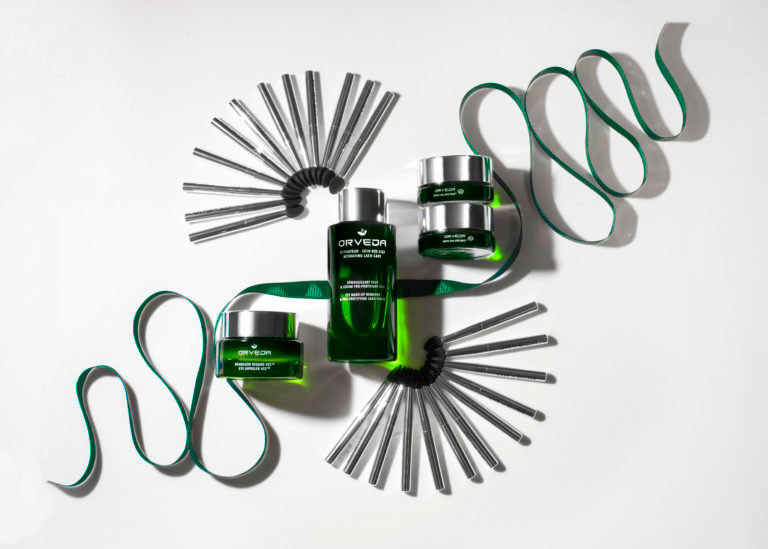
Orveda Probiotic Prebiotic skincare

Although Probiotic skincare remains the prime talk in the industry, its comrade ‘Prebiotics’ has started to make its presence prominent among the ones mastering the act of skincare regimes. Dr. Jaishree Sharad, Celebrity dermatologist and author of ‘Skin Rules’ and ‘Skin Talks’, says, “Though Probiotics are viable micro-organisms that have a beneficial effect on the natural microflora of the skin when either consumed orally or applied topically, Prebiotics are the food ingredients required by probiotics for the growth of these viable microorganisms.”

Enter: Skincare Pro/Pre Biotics
We all know about the presence of probiotics and its behaviour of a ‘good Samaritan’ in our guts. There is a whole troop of topical beauty products like cleansers, moisturisers and serums, with the inclusion of these friendly bacteria and hyaluronic acid, retinol and vitamins to name a few that promise to soothe inflammation, strengthen the skin’s barrier and even diminish acne. Dr. Bijlani further enlightens, “It’s really difficult for a skincare product to contain actual live bacteria. They mostly contain fragments of bacterial cell walls that can elicit an immune response. This is due to the fact that skincare products need longer shelf-lives as compared to consumable probiotics.” Of course, skincare products have to stand out from the ones used in food and supplements. Very often, the incorporation of these biotics for topical regimes is considered a luxury investment. What makes them so variant and pricey? Dr. Sharad enlightens, “The probiotics for gut microbes need the prebiotics to be resisted to being digested in the stomach. So to skip this step, including prebiotics and probiotics in topical cosmetic formulations is a wiser choice. Formulating these into hardcore cosmetics is very difficult since all measures have to be taken to make sure the live microbes survive in the products and hence have a longer expiration date. These things make it more expensive than easy oral formulations.”

Cultivating the skin’s good bacteria is the newest friend of beauty and skincare world. Certain probiotic ingredients such as lactobacillus ferment are believed to have been quietly used as skin soothers. Dr. Bijlani shares, “Probiotics and Prebiotics have entered skincare only in the last few years. Probiotics help strengthen the skin’s barrier by making sure the healthy bacteria are more abundant and the negative effects of the unhealthy bacteria are controlled, which would, in turn, help with the concerns of acne, eczema, inflammation and so on. Also, every individual’s level of microorganisms present on their skin is different so probiotics aren’t always ‘one-size-fits-all’. Hence, like in the case of any skincare product, it’s better to proceed with caution, start using only one new skincare product at a time and make sure it suits your skin. Make sure the product you’re selecting has other active ingredients that complement the probiotics and the product is gentle on your skin.”

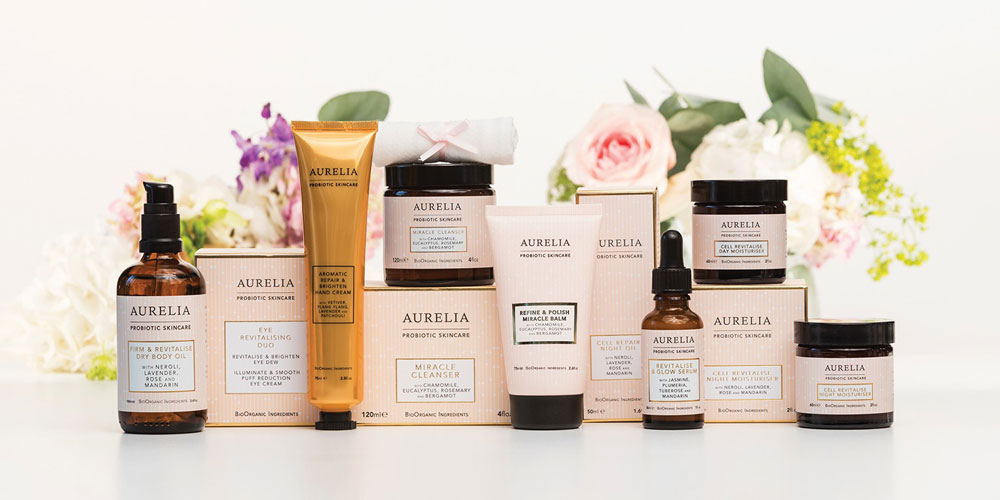
If one has to open the door of skincare products, there would be a flood of various brands with all kinds of ingredients and packaging that would seem beneficial to your skin. Although pre/probiotics might seem like a new chapter, there are already in-reign houses and labels catering to this genre of skincare. Aurelia’s Cell Revitalise night moisturiser was one of the first luxury British brands to actively pioneer probiotics. Orveda is an entire luxury skincare house dedicated to the world of ‘goodness’ of prebiotics. This new genre of skincare also has L’Oréal-owned Vichy’s Slow Age cream moisturiser and serum that has a probiotic complex to defend skin from the daily stress; Dior’s Hydra Life range – including the refreshing Deep Hydration Sorbet Water Essence, containing natural ingredients that nurture the skin’s microflora; and Lancôme’s Advanced Génifique sensitive dual concentrate serum has a trio of probiotic ingredients, to fight skin irritation and many more.

In this ever-increasing pool of skincare products, the usage has always been a trial method at first. With new elements incorporated in each piece, a consumer goes through a hard time selecting them Concern and caution should always be exercised. Dr. Sharad advises, “If these products work, it’s an addition to skin health. It’s definitely worth a try. However, none of them can be used in immunosuppressed, neutropenic or patients having major allergic reactions to dairy, soy, gluten, eggs or lactose. For acne-prone skin, using applications containing Lactobacillus and Bifidobacterium Bifidus is important. Lactococcus Ferment Lysate is a good bacteria for sensitive skin. For oily skin – use a Lactobacillus or Nitrosomonas Eutropha based probiotic and a glycolic based combination that will balance the pH and act as an anti-inflammatory and mild anti-bacterial; for combination skin – use Lactobacillus, Lactic Acid and Vitamin C based products.”

Skin’s Flora Cultivation – Worth it?
Nothing matters than a flawless and happy skin that can make you garner everyone’s praises. The incorporation of topical biomes through the application of creams and supplements, however, is still a new world and an ongoing process of research. So until then, aren’t we all entitled to these new topical applications? Dr. Bijlani clarifies, “In theory, it’s a great concept and it’s definitely an interesting trend. However, I would like to wait until there’s more extensive research done on these ingredients to recommend them for any medical concerns.”

Science and technology know no boundaries. So feeding one’s face with goodies for the love of glowing skin is taking on a new cruise. Until then, patience and pondering over the question “Is the latest ‘good bug’ cultivation the future of beauty and skincare or is it another marketing strategy?” should be promising enough.

Add sea buckthorn oil to your skin care routine for hydration with these products

This multi-tasking elixir truly does it all, and here’s everything you need to know about it

Think of a more decadent, more restorative skin care staple than a facial oil—I’ll wait. In the past, Cleopatra is said to have gravitated towards olive and sesame oils, more recently Miranda Kerr has pledged allegiance to noni fruit and rosehip oils, and Kim Kardashian touts Epicuren Discovery Bulgarian Rose Otto oil as one of her “most fave products in the world!” Sure, slathering oil on, say your acne-prone complexion or super sensitive skin, may seem counterintuitive, but it isn’t. Or maybe you feel the roster of options are too confusing, it’s definitely not. Incorporating the right option in your daily beauty regime is one of the best practices you can follow to expect an off-the-charts level of glow.

If you’re on the lookout for a powerhouse ingredient to hydrate and protect your skin, while feeding it with antioxidants, sea buckthorn oil might be just for you. Ahead, two dermatologists walk you through the pros and pitfalls of using this elixir, how to use it, and the best products to try.

What is sea buckthorn oil?
“Contrary to what the name suggests, sea buckthorn oil is not derived from the sea,” explains Dr Harshna Bijlani, celebrity skin expert and medical head, The Ageless Clinic. “It is a red-orange oil derived from Serbian pineapple a.k.a seaberry which is a flowering plant that produces these special orange berries. Sea buckthorn oil is extracted from the berries, leaves, and seeds of the sea buckthorn plant,” Dr Bijlani adds. The shrub commonly grows in Europe, the Caucasus, Asia Minor and Central Asia, Siberia, China, and Tibet.

What can it do for your skin?
There is some research that suggests sea buckthorn oil’s efficacy for lowering blood pressure, control diabetes and cholesterol and aid in age-related concerns when ingested, but larger clinical studies are needed to solidify these claims. Sea buckthorn oil’s dermatological and cosmeceutical applications, in contrast, are safe and effective.

Deliver intense hydration: “Sea buckthorn is one among a handful of oils that contains all four types of omega fatty acids—omega-3, omega-6, omega-7 and omega-9, making it a great oil to strengthen the skin barrier, especially when one needs intense hydration. It is especially beneficial for those suffering from psoriasis and eczema as it provides deep hydration and prevents moisture loss,” shares Dr Bijlani.

Rich in antioxidants: “Sea buckthorn has 10 times more vitamin C than an orange and is known to have a gamut of various other antioxidants like vitamin A, alpha and beta-carotenoids, vitamins B1, B2, and B6, vitamin E, fatty acid, flavonoids and so much more,” says Dr Bijlani.

Alleviate skin regeneration: “Being loaded in various vitamins, minerals and beneficial plant compounds, sea buckthorn oil is known to boost your skin health when applied directly. Studies show that the oil has anti-bacterial, anti-inflammatory and anti-fungal properties can stimulate skin regeneration, helping wounds heal more quickly,” elaborates Dr Prajakta Kulkarni, a Pune-based aesthetic physician and medical cosmetologist.

Protection against environmental aggressors: “Sea buckthorn oil also helps reduce inflammation following UV exposure, protecting skin against sun damage and pollution. Being a host of vitamin C and E and carotenoids, sea buckthorn oil is a protective and preventative ingredient. It can neutralize skin-damaging free radicals and reduce the signs of ageing such as the appearance of fine lines and wrinkles,” suggests Dr Kulkarni. Basically, sea buckthorn oil is the new glow-getter of your dreams.

Who should avoid using it?
Dr Bijlani points out that sea buckthorn oil is essentially safe for most skin types, and isn’t pore-clogging in and of itself. “That being said, it is a heavy oil, and hence, might be problematic for those with oily or acne-prone skin. As with any new product or skincare ingredient, I always recommend doing a patch test before using it.”

How can you incorporate sea buckthorn oil in your skincare routine?
“Sea buckthorn oil is quite versatile and can be mixed with most skincare products. If you’re incorporating it in your skincare routine, you can mix it with your moisturiser in the morning or right after your serum at night. I would recommend using it at night rather than morning (as in case of most face oils) and always remember your lighter products go in first, followed then by heavier and oil based products. Also, always use your actives (products with active ingredients) first and moisturisers later,” explains Dr Bijlani.

For those who’d like to customise their own sea buckthorn oil-infused concoction, Dr Kulkarni recommends, “Mix it with creamy shea butter and some drops of calendula oil and apply onto dry skin. Combine it with some argan oil for a blend that will help improve skin collagen, control sebum production, fade wrinkles and fine lines.”

The best sea buckthorn oil products you can try

The Ordinary 100% Organic Virgin Sea Buckthorn Fruit Oil

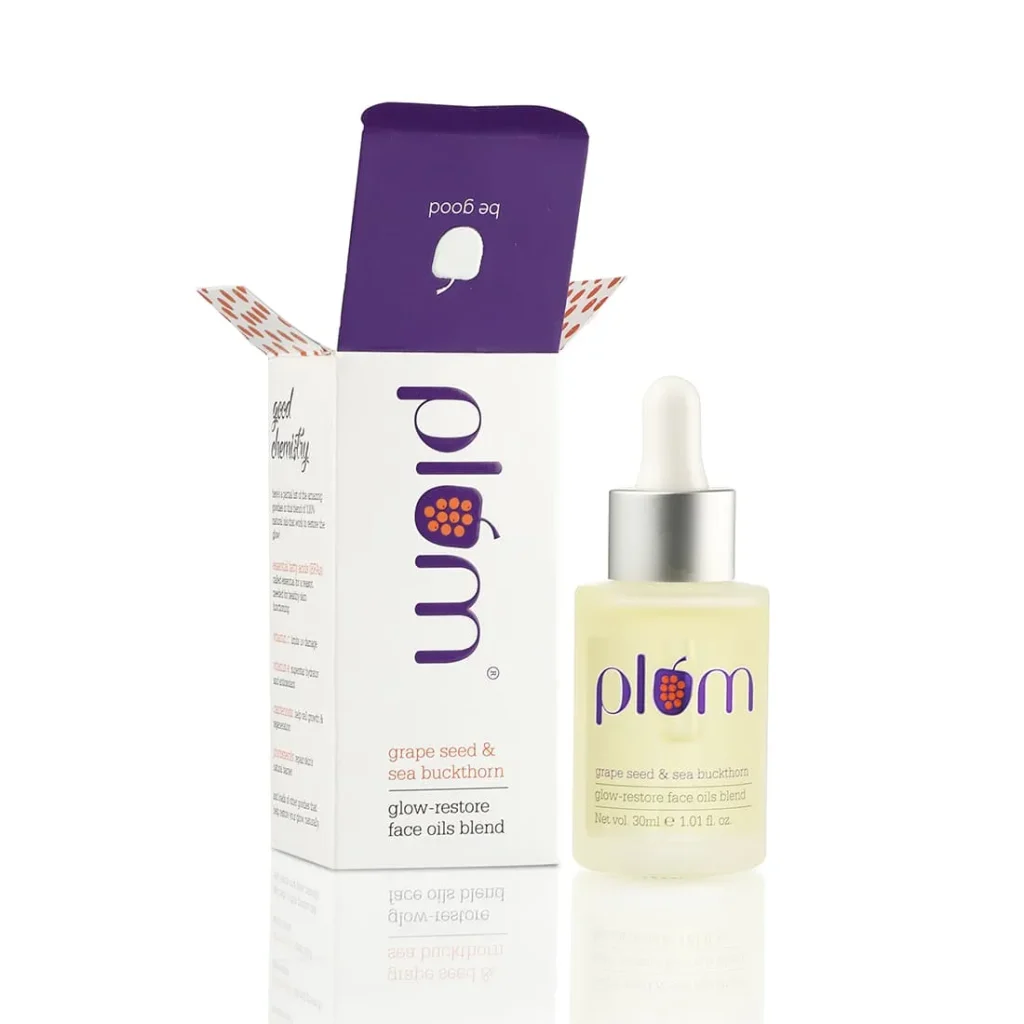
Plum Grape Seed & Sea Buckthorn Glow-Restore Face Oils Blend

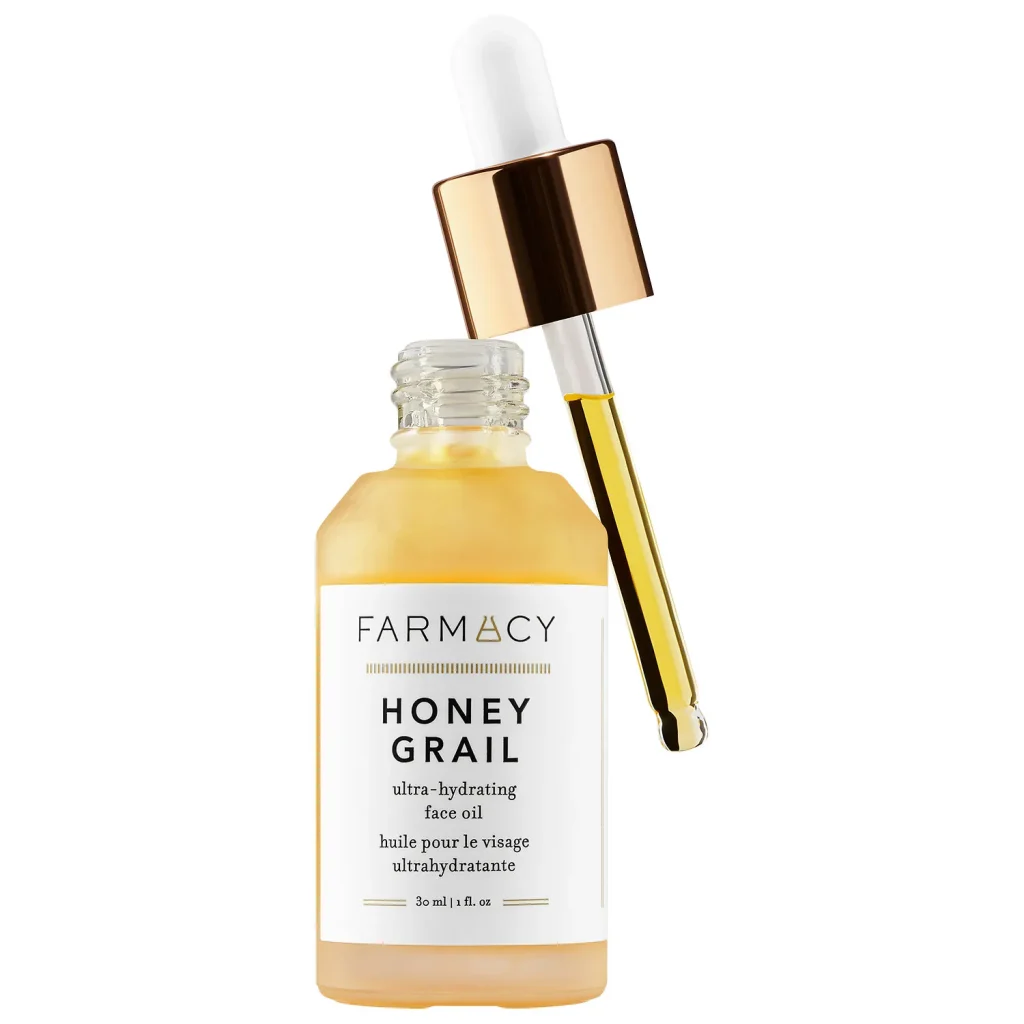
Farmacy Honey Grail Ultra-Hydrating Facial Oil

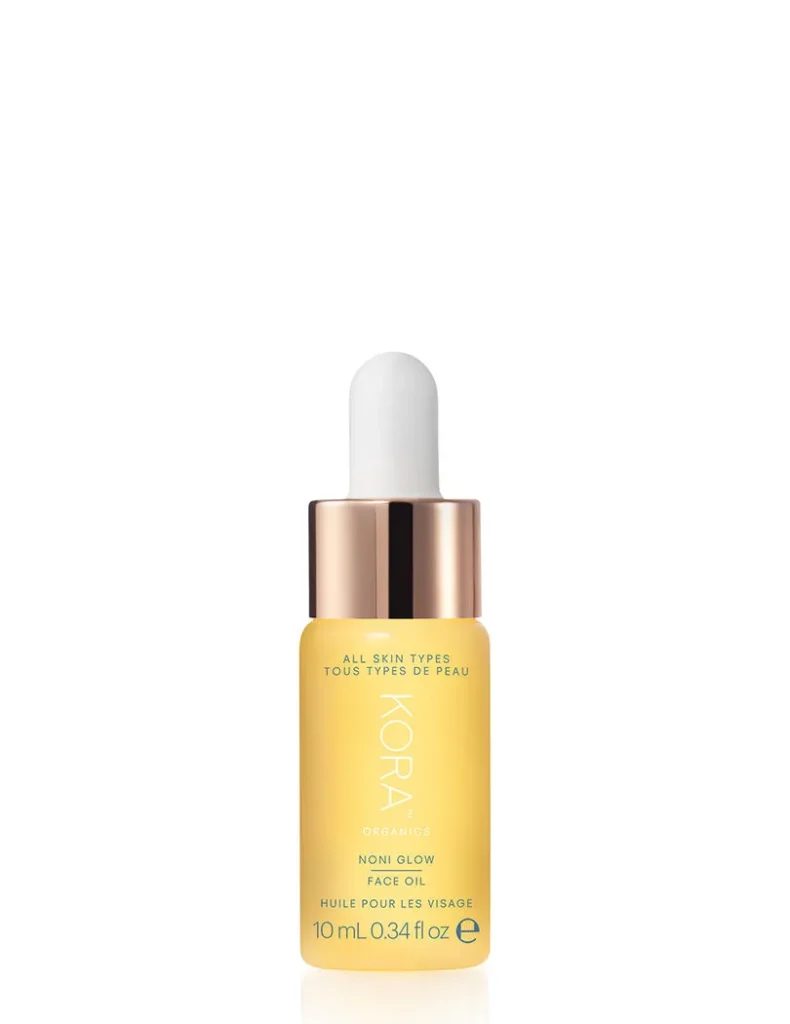
Kora Organics Noni Glow Face Oil

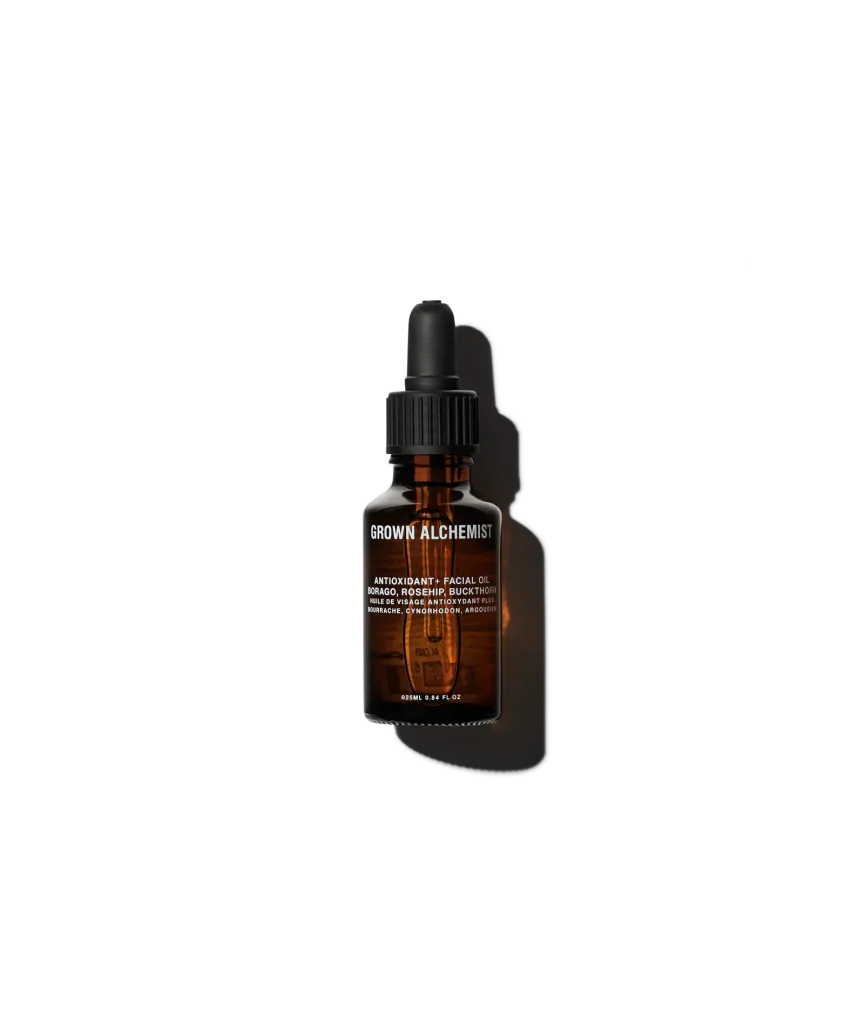
Grown Alchemist Antioxidant Facial Oil Jim Wilde

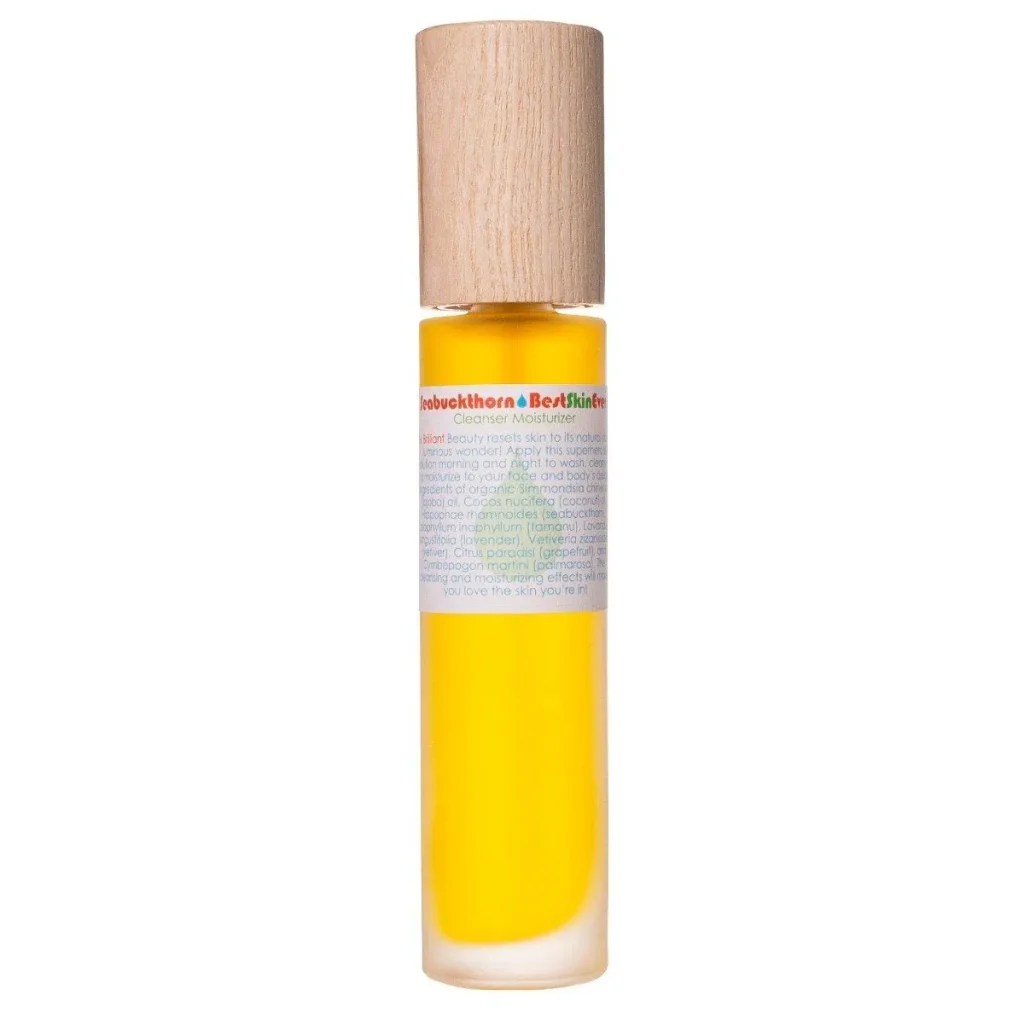
Living Libations Best Skin Ever Seabuckthorn Facial Cleansing Oil

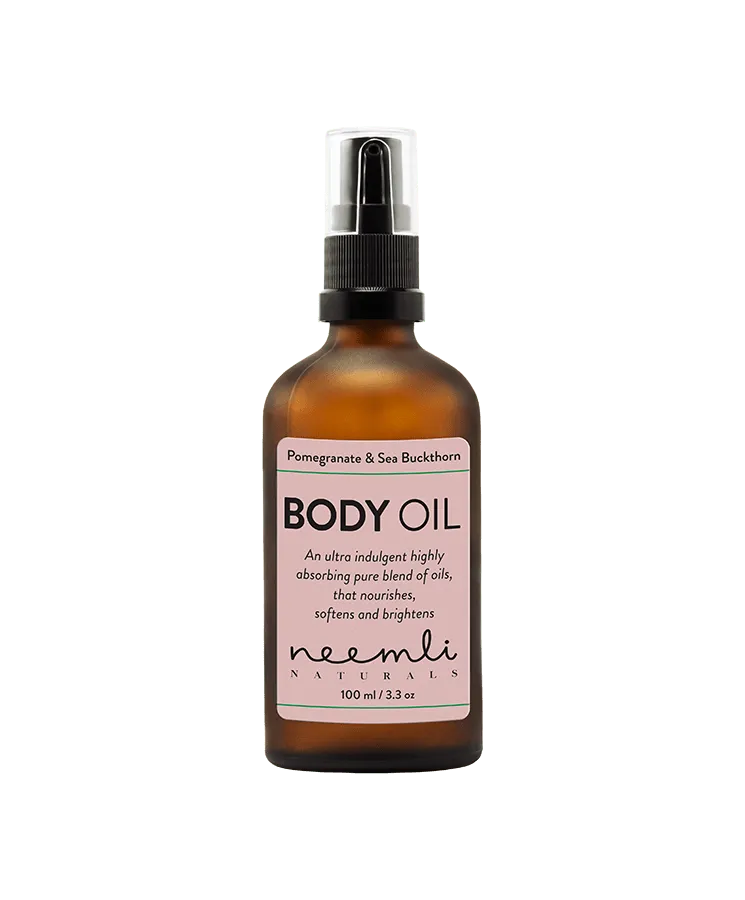
Neemli Naturals Pomegranate and Sea Buckthorn Body Oil

What are in-clinic chemical peels and how safe are they for the skin

Whoever said the answer to clear and glowing skin lies in a chemical peel, really knew what they were talking about. Over the last decade, this once scary sounding procedure has gained popularity like a TikTok celebrity. Chemical peels and acids are probably the quickest way to make your skin feel and look good. And the best part? There’s literally a peel out there for every skin concern –– yes, every skin concern. While at-home peels and acids really do serve their purpose well (we’re looking at you AHA/BHA peel), it’s actually the in-clinic treatments that work visible miracles in a jiffy. In-clinic chemical peels and its respective posse of acids all come in different strengths that penetrate through different layers of your skin. It depends on various factors including the concentration of the ingredients, skin texture and thickness, and the purpose of the peel. Think of it as a hierarchy in an office –– you have the mild peels who are the juniors and meet the most basic job requirements, then you have the medium peels that are little more experienced and can tackle way more than the juniors, and lastly, you have deep peels who are the superbosses that truly mean business. Now, which one you choose to use depends on the intensity of your requirements and how quickly you want them.

What: Mild & Superficial Peels

Who: Everyone

In detail: These are exfoliating peels that remove dead skin from the surface. This is done by gently dissolving your skin’s glues that keep dead skin stuck to the fresh skin. By using a mild peel, you break down that glue and remove the dead skin and encourage healthier growth. They mostly contain fermented fruit acids such as apples, sugarcane, grapes, and milk acids such as lactose and salicylic from birch extracts.

Popular choice:

Lactic – A mild exfoliant, lactic acid peels do not penetrate deep into the skin and is therefore a great starter peel! It barely irritates the skin and is known to be compatible with every skin type out there, including sensitive skin. Its main job is to brighten and hydrate.

Glycolic – Concentration is key with this one –– the higher the concentration the more this peel can move into the deep peels category. But if you want just basic exfoliation, then in smaller concentrations glycolic will do the trick.

BHA (salicylic) – If you’re suffering from acne-prone, oily skin then BHAs such as salicylic acid work wonders for the skin. BHAs are oil dissolving, which means they effectively remove and cleanse oils and bacteria that lurk within your pores. It’s anti-inflammatory too, which means bye bye pimples!

What: Medium peels

Who: Deep treatment for pigmentation, uneven texture, premature signs of ageing, damaged skin

In detail: These peels are like those best friends who try and solve your issues at a deeper level (not just the surface). They take care of your pigmentation, even out your skin’s texture, and rebuild collagen and elastic, that renews your skin’s elasticity. If you tend to get bogged down by pollution, smoking, or free radicals, then medium peels are great to combat damaged skin. Since they are a tad intense and need more down time, they need to be carried out by professionals and are only done under medical supervision.

Popular choice:

TCA Peels – Meet TCA, aka its formal name Trichloroacetic Acid. TCA peels take on the responsibility of reducing pigmentation marks, sun damage, acne scars, and line and wrinkles.

Jessner’s Peel – This peel isn’t a one-size fit all kind of peel. Modified versions of this peel are used to tackle different skin conditions –– it comprises a mix of lactic and salicylic acids, and resorcinol in different concentrations. In fact, most doctors make their own concoctions by adding other acids to make the peel stronger and more potent.

What: Deep peels

Who: A prescribed treatment for underlying skin issues like deep lines and wrinkles

In detail: These peels are mean, and they mean business. They don’t faff about, they get straight to the point. Deep peels penetrate into the deepest and most sensitive areas of the skin. Because of their potent nature, they are only done under the supervision of a doctor –– with a proper pre and post care routine in place.

Popular choice:

Phenol Peel – This scary sounding peel is the MVP of peels. It’s strong and provides dramatic results. However, it usually doesn’t get along with darker skin tones, as the chances of hyperpigmentation due to inflammations are a higher risk.

Cosmelan Peel – The true depigmentation peel, Cosmelan easily takes care of all those pesky pigmentation marks, acne marks and scars. It’s powers are still unmatched! It dives deep into the layers of your skin and treats melasma, inflammatory pigmentation, age spots, and freckles. It’s in-demand across the globe and is the best-seller peel in aesthetic clinics worldwide.

Due to its potent nature, chemical peels often tend to get a bad reputation. Thanks to the word ‘chemical’ everyone assumes that this skincare MVP is somewhat of an antagonist for your skincare’s love story. But that is not the case. If done correctly and by trained professionals, you will be able to understand how effective each and every peel is –– depending on its concentration and how deep it penetrates into your skin. Not all of them cause you to peel and shed like a snake, and even if you do, know that it’s for the best (and in the long run, you’ll be happy you did).  If you’re looking for results, chemical peels are the best way forward –– if you choose wisely and carry it out with an expert, you won’t regret your decision!

To learn more about peels or to book your consultation with our doctors:

Call: +91 2242792222

Whatsapp: +91 7900166222

Email: wecare@theagelessclinic.com

Adult acne

One of the more confusing skin conditions is suddenly seeing a breakout of acne once you think your pesky adolescent years are behind you. This a very common situation called Adult Acne and is quite different from the acne that is part of growing years.

HOW IS ADULT ACNE DIFFERENT FROM TEEN ACNE?

Teen acne is triggered by puberty changes in the body – primarily the androgen hormones like testosterone which are directly linked to stimulating an increase in oil production on the skin which leads to clogged pores filled with bacteria. The level of production of these hormones and oil is also dependent on genetics so these two factors are ideally the main reasons behind teen acne.

Adult acne is mainly caused by

TRIGGERS like lifestyle, stress, etc. often activate the cortisol hormone (increasing the oil or sebum production), this coupled with exposure to pollution and free radical damage result in oily surfaces where dirt and contaminants get trapped making the skin appear grimy and blocking pores.

Also, women are more prone to adult acne due to other hormonal fluctuations, like around their periods, during or post pregnancy and even during menopause.
Adult acne can also be a side effect of an incorrect diet, lifestyle, certain medication as well as an allergic reaction to skincare that doesn’t agree with your skin. Certain steroids, birth control, stress and even sleeping aids can cause acne as a side effect.

Due to the suddenness of adult acne, most people are caught unaware and tend to use emergency (and highly concentrated) acne medication which leads to further inflammation and can cause another chain of acne eruption.

BEST SOLUTIONS FOR ADULT ACNE

Since teenage skin is healthier when it comes to cellular turnover, even the worst case of acne and acne left scars are easier treated than adult acne. This is because our skin slows down regenerating itself as we grow older, so the chances of our skin healing completely from a bout of adult acne depends entirely on how we care for our skin during and after this time.

• AVOID PICKING OR FORCING THE ACNE TO ERUPT

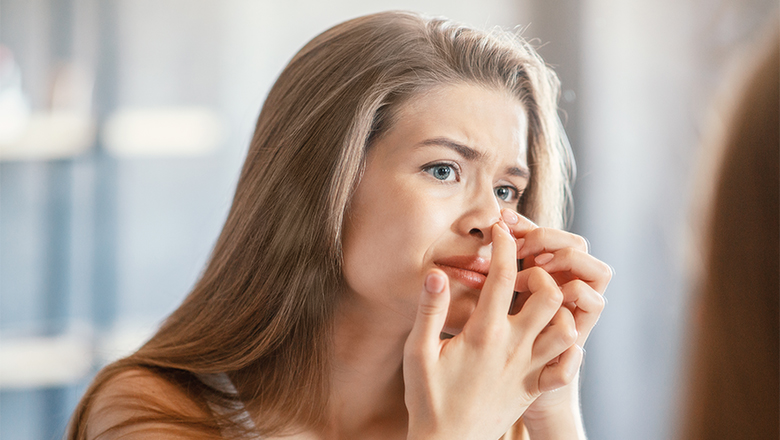
unlike teen acne, some forms of adult acne can show up just in a few spots, leaving the rest of the face clear and untouched. This tempts us to “pop the zit” so to speak, or during facials using comedones extractors to force open the acne spots which leads to permanent scarring

• CHECK YOUR SKINCARE FOR ANTI-COMEDOGENIC PROPERTIES

we all need to use cleansers and moisturizers, sunscreens, as part of our daily skincare. But if you are prone to or facing adult acne, check if all products used on your skin are non-comedogenic which simply means they don’t block pores.

• MAKEUP ALLERGENS

applying a primer or foundation to cover up acne spots is a good concealing technique, but can lead to spreading the acne to other parts of the skin, using makeup on acneic skin should be only when required and that also just for a few hours at best.

• TOPICAL SKINCARE TREATMENTS

using skincare with acne healing and bacterial cleaning properties like tea tree, salicylic acid, benzoic peroxide is a must especially in your cleanser and toner to deeply cleanse your pores and rebalance your skin pH.

Adding Retinol (vitamin A) is a great idea as it is a gentle exfoliants as well as an anti-aging skin ingredient, so will help eliminate acne as well as help regulate the healing process as well

• SUNSCREEN

most adult acne prone skin start degrading faster as they avoid using sunscreen as they find it greasy, which in turn leads to hyper pigmentation marks, photo damage showing up as fine lines and dehydration as well as the skin starts to generally age faster. A sunscreen is a must to use, but opt for water-based sunscreens as oil-based skincare is heavier on the pores and can cause blockages.

TREATMENTS THAT CAN HELP ADULT ACNE

Chemical Peels – peels are exfoliating treatments that strip away unhealthy oils and grime-blocking pores. The best part about peels is that they can be customized to work not only on acne but also on other signs of adult skin like aging, hyperpigmentation, rejuvenation, dullness etc. A reputed clinic will be able to customize a peel routine for your skin to multitask working on both the acne spots as well as to revitalize and give you clearer even textured skin.

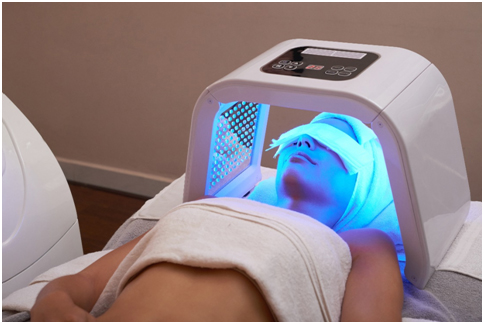
Blue LED light treatments – Blue Light can not only penetrate acne spots and kill bacteria, it’s also a completely non-invasive treatment, which is great for skin that is already sensitive and delicate.

Er Yag (Glass) Laser – a very successful aesthetic treatment for adult acne is using laser light and heat to not only help with acne reduction (by targeting the acne bacteria) but also start collagen renewal for scar healing and repairing the damaged pores left by the acne.

ADDITIONAL TIPS FOR ADULT ACNE

Cut down on processed foods, sugars and dairy – binge eating, erratic working hours and junk food diets add to the chances of adult acne. Try to maintain a healthy diet rich in balanced nutrients, proteins, minerals, complex carbs, anti-oxidants and so on.

Cleanse skin before sleeping – our skin heals itself during sleep time, so any clogged pores prevent that from happening. Also, bacteria tend to grow and increase in areas within blocked pores, so a good nighttime cleansing ritual will help keep pores fresh and regulate the sebum cycle as well.

Sleep patterns – hormonal changes due to melatonin secretion is a big factor behind acne and dark circles, any erratic sleeping patterns, lack of rested sleep or shortened regular sleeping hours result in acne breakouts.

Exercise and blood circulation – sweat not only eliminates toxins from our bodies, it helps regulated the sweat/sebum {oil} balance. Not to mention exercise can boost blood circulation and release oxygen into our blood more effectively making our skin healthier and more toxin free.

Pore cleansing masks – adding a pore cleansing mask with ingredients such as clay or activated charcoal helps to regulate and cleanse the skin, so include them in your skin routine at least once in 15 days.

Mindful balance of hormones – knowing that our lives as adults are stressful enough is a strong enough reason to add de-stressing techniques like meditation, breathing exercises as well as detox beverages like green tea, chamomile, spirulina etc. Into our lifestyle. Since cortisol (the main stress hormone) is the biggest factor behind adult acne, a good control on keeping stress activators at bay is a great idea.

CONCLUSION

Acne is subjective as to why and what has triggered it in your skin, as no two people have the same reasons, they have acne and so its solutions require to be customized and personalized as well. A mix of oral and topical medication combined with skin treatments will be very helpful in treating any bouts of adult acne and also help prevent future episodes.

To book your consultation with our doctors:
Call: +91 2242792222
Whatsapp: +91 7900166222
Email: wecare@theagelessclinic.com

Activated oxygen facials – using high frequency

One of the oldest and time-tested devices used for great skin is the High-Frequency machine. Even though you may have seen one at work during facials, it is worth knowing the true potential of the benefits this treatment can provide.

WHAT IS HIGH FREQUENCY?

High Frequency is a mild form of electrotherapy that is a great multi-performing treatment for acne, as an anti-pollution treatment, for anti-aging and stimulation benefits as well. The results are great and can be felt even while the facial is on, making it a popular choice for aestheticians and therapists worldwide since the early 1970s.

How does it work?

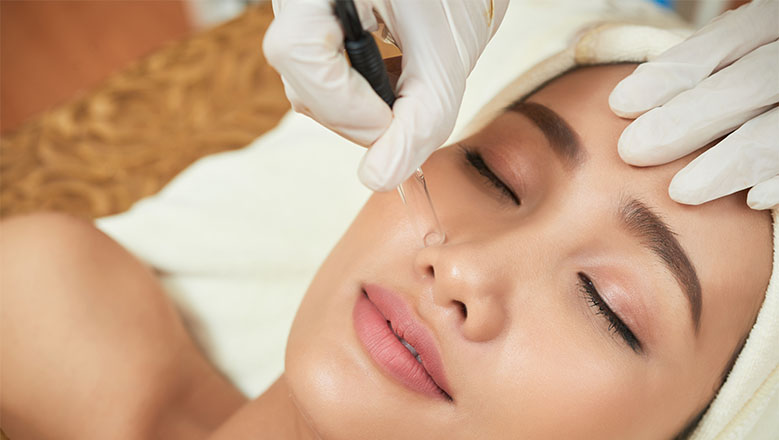
All high-frequency machines work with the help of smooth glass hand pieces called electrodes that are filled with inert gases that have great oxygenating qualities, which are directly infused into the skin wherever the electrode is moved over the surface.

The benefits High-Frequency offers are unique

Deep Stimulation – the mild electric current stimulates skin cells and activates the skin repair system to increase the production of collagen, elastin, and other skin healing nutrients. This stimulation actually awakens and renews skin cells to feel energized and grow healthier.

Thermal Relaxation – Our skin contains water, which in contact with the high-frequency vibrations starts creating a gradual heat within the skin tissue. Much like a deep tissue massage, this heat helps to repair and relax tired muscles, nerve tissues as well as damaged skin cells.

Activated Oxygen – the most important benefit of the treatment is the creation of Ozone (activated oxygen) on the surface of the skin. This is actually the science behind the treatment that helps to reduce acne, and make the skin germ and infection free as well as oxygenated.

WHAT IS OZONE?

Ozone or O3 is Activated Oxygen (O2). Ozone contains three atoms of oxygen rather than the two atoms that Oxygen contains, which makes it a very powerful and active element – if you remember feeling different taking a deep breath near the seaside or high up in the mountains, its due to the potent benefits of this activated oxygen.

Ozone has several healing qualities that are naturally used by the air we breathe as ozone attaches itself to airborne pollutants and purifies oxygen, that’s why it’s called nature’s purifier (it forms a protective layer around the earth’s atmosphere keeping it safe from Suns UV damage.)

When applied to the skin, this potent activated oxygen is a booster for detoxification and stimulation

Some of the main benefits Ozone can offer our skin are

• Acts as a free radical scavenger on harmful toxins and pollutants
• Helps heal sunburns and other burns, scars and skin inflammations
• Cleanses and sterilizes the epidermis, zapping away bacterial and viral infection germs
• Warms and stimulates skin tissue to create collagen and elastin fibers

THIS SOUNDS INTERESTING, SO WHAT TREATMENTS ARE AVAILABLE USING ACTIVATED OXYGEN?

In treatment, there are 2 specific treatment procedures offered for

  1. Acne, oily skin, and breakouts
  2. Anti-aging and rejuvenation

ACNE, OILY SKIN AND BREAKOUTS

Ozone kills bacteria, so the ozone created during the treatment helps to kill especially the P acnes bacteria that cause acne. For its anti-bacterial, deep cleansing action Argon gas that emits a purple-hued gas is used. In fact, there is also a specially shaped pimple electrode that has a pea-shaped round electrode to work on individual acne spots to zap dry out the bacteria within the follicle and pores

SKIN REJUVENATION

In addition to creating ozone that provides instant oxygenation to the skin, the current also increases ATP which in turn promotes the growth of skin proteins like collagen, making the skin regain volume and firmness.

OTHER INSTANT BENEFITS FROM A HIGH-FREQUENCY TREATMENT INCLUDE

Reinforces the skin protective barrier – the skin barrier is what protects our skin from external stressors like pollution, sun damage, smoke, and infection-laden bacteria or viruses as well as prevents moisture and nutrient loss from the deeper layers of the environment. The ozone produced during the treatment helps to strengthen the skin barrier ensuring that our skin stays healthy and well protected

Reduces blackheads and tightens pores – as the high-frequency current softens and reduces sebum (oil) it also has the penetrative depth to clean out toxins and bacteria that clogs pores, helping in reducing blackheads and causing pores to regain their shape.

Improve skin texture and firmness – The treatment produces an enriched form of oxygen on the skin surface, which provides the skin with the added boost of anti-oxidants that helps rejuvenate and improve the overall texture and tone

Helps Under eye puffiness and dark circles – High-Frequency electrodes come in special shapes to safely work around the eyes, especially on the under-eye area. Using the pulsating action, lymphatic drainage is stimulated, which helps to drain away toxins and improves blood circulation in the delicate under-eye area.

This is very effective in the reduction of dark circles and puffiness caused due to toxin buildups. Also, the relaxing action of the electrode is very stimulating and calming for the eye muscles, making this a great eye rejuvenation treatment

Stimulates blood circulation – one of the ways to use High frequency is indirect, where the electrode is not directly applied on the face, but you hold it while the therapist performs a face massage. If this sounds a bit odd, rest assured it’s a scientifically proven way to stimulate and detox the entire circulatory and lymphatic system as the stimulating current passes via the electrodes through the surface of your body to the hands of the therapist making it a deeply energizing and relaxing experience for the skin to experience that is not possible with any other device or technology.

These benefits make this time-tested classic a proven choice for any facial enhancement. The good news is that High Frequency can be added on to any facial or treatment no matter which products or steps are used. Making it a super versatile and high-performing treatment.

Our Most Popular AgeLess Facials & Cleanups

Dr. Harshna Bijlani, Medical Head of The AgeLess Clinic & Celebrity Skin Expert explains the difference between conventional facials and Super-Medi Facials. She also talks about the different kinds of clean-ups and facials available at The Ageless Clinic

Some of the topics discussed:
Evolution of facials
What are Super-Medi Facials
Technologies used in facials

Some of the treatments Covered:
Q: switched Lasers
Peels
Vampire Facial / PRP
Dermaroller
WishPro Facial
Micro-current
Korean Facial Series

For more informative videos on skincare:
SUBSCRIBE to The Ageless Clinic – https://www.youtube.com/c/TheAgelessClinicTV
Like us on Facebook: www.facebook.com/theagelessclinic
Follow us on Instagram: @theagelessclinic

How to plan your Bridal Skincare Journey

Dr. Harshna Bijlani, Medical Head of The AgeLess Clinic & Celebrity Skin Expert talks about Bridal Skincare. She has held MasterClasses for hundreds of brides in the three consecutive years that she was the Vogue Wedding Show Skin Expert. She has consulted thousands of brides and their families at the Ageless Clinic and in this video she talks about how one should go about navigating the bridal skincare path

Some of the topics discussed:
Timeline for Bridal Treatments
How to pick the right treatment for you
How to pick the right doctor
Importance of homecare
Most popular bridal skin concerns
How we customize packages

Some of the treatments covered:
Treatments for Glow
Body Contouring
Peels
Lasers
Super-Medi Facials
IV Vitamin Infusions
Injectables

For more informative videos on skincare:
SUBSCRIBE to The Ageless Clinic – https://www.youtube.com/c/TheAgelessClinicTV
Like us on Facebook: www.facebook.com/theagelessclinic
Follow us on Instagram: @theagelessclinic

A-Z of Isotretinoin – Everything to Consider

We’ve all heard of Isotretinoin or Accutane its popular brand name in the US. So what is this all about and how does Accutane help with acne – We ask Dr.Harshna Bijlani, Medical Head of The Ageless Clinic & Celebrity Skin Expert

1) What is accutane/isotretinoin?
Isotretinoin (13-cis-retinoic acid) derived from vitamin A is popularly also known as the brand name Accutane, under which it is sold under the among others, is a medication primarily used to treat moderate to severe acne. It is one of the most successful ways to treat acne with extremely high success rates achieved through various clinical trials.

2) How does it work on skin?
Isotretinoin is classified as a retinoid and is derived from vitamin A. It is to be taken orally, in pill form, once or twice a day depending on what your doctor prescribes.
Isotretinoin works by shrinking the sebaceous glands in the skin. This reduces sebum production in the skin (food for the acne bacteria to survive), which makes it difficult for acne to survive, it also reduces the clogging of pores to further reduce the chances of breaking out. Vitamin A also increases cell turnover which in combination with fewer blocked pores, would reduce the chances of acne and give you cleaner, clearer skin.

3) Who do you recommend take it?
Anyone suffering from moderate to severe acne or acne that doesn’t seem to be responding to other treatments, or those who have a tendency of scarring easily should consider taking Isotretinoin.

4) Who should not take it at all?
Women who are pregnant or planning to conceive within a span of 6 months should stay away from Isotretinoin at all costs. Isotretinoin causes major birth defect if the fetus is exposed to the medication. Other cases where one should avoid Isotretinoin is in case of individuals who are breast feeding, have a vitamin A sensitivity, severe hair fall, dry lips, dry skin, uncontrolled diabetes and so on. Please make sure you consult your doctor and properly understand the contraindications and side effects before opting for this treatment.

5) What testing does one have to do?
As Vitamin A is extremely harmful for a foetus, women need to take a pregnancy test before starting their medication to make sure they’re not pregnant. Make sure you’re on contraception and do not try to conceive for 6 months. Apart from that the common tests your doctor might ask you to take are CPC, cholesterol, liver and so on.

6) What precautions should one take?
Make sure you follow the dosage instructions, do not get pregnant, visit you doctor for follow up visits as planned and avoid or reduce the consumption of alcohol while you’re on your course.

Everything you need to consider before opting for a Facial 

Laser Facial? LED Facial? Microcurrent Facial? How to pick the right one for you. Dr.Harshna Bijlani, Medical Head of The AgeLess Clinic & Celebrity Skin expert explains what the different types of facials are and how to pick the right one for you.

  1. What are the different kinds of facials that a person can get?
    There are various types of facials. There are normal or conventional facials, Medi-Facials and Super-Medi Facials.
  • Conventional facials are the ones offered in parlours and salons, performed by regular beauticians.
  • Medi-facials get their name from the fact that they’re performed in a clinic, under medical supervision and by well-trained aestheticians.
  • Super-Medi facials incorporate skincare based technologies with a traditional facial to target your concern and give better more effective results than conventional facials or Medi-facials.

2. What are the different things you need to consider before choosing a facial?
Apart from choosing between a conventional facial, Medi-facial or a Super-Medi facial, you should also consider your concern, skin type and technology.
• Skin type – Pick a facial based on your skin type – whether it is dry, oily, combination or sensitive. The same facial would not work for dry skin and oily skin, so make sure you consider your skin type before picking a facial.
• Skin concerns – Pick a facial based on what your concern is, whether it is acne, pigmentation, dull skin, anti-ageing and so on.
• Sensitivities or allergies – Pick a facial after understanding what the facial steps are and if you have particularly sensitive skin or are allergic to something, keep that in mind and check with your facialist beforehand. If you have extremely sensitive skin, you may want to opt for facials with soothing products.
• Technology – Make sure you consider the type of technology that will be used in the facial and opt for it accordingly. There are various technologies out there for pigmentation, anti-ageing, rejuvenation and so on. Make sure the technology used in your facial is suitable for your concern and skin type

3. How often should one sign up for a facial?
Ideally you should get a facial every 3-4 weeks, depending on your lifestyle, skin type and skin concern.

4. Are there any precautions one should take before they go in for a facial?
• Research the place before you go in, make sure all the tools used by them are sterilized and make sure the facials they offer can actually tend to your concern.
• If you have acne prone skin do not go for an extensive massage as that would only make your acne worse.
• Stop using creams containing retinol or benzoyl peroxide a few days before as they tend to make your skin drier.
• If you have a big event coming up, try not to opt for a new facial that you’ve never done before, instead opt for a tried and tested route.

5. What does after-care look like?
Make sure you do not step out without sunscreen, do not use soap or any kind of a facewash for a couple of hours and if you’re wearing a post care serum, follow the instructions given to you by your facialist on how to remove it, when to remove it and how to take care of it. Also if possible avoid wearing makeup straight after, especially if a lot of extractions were done. If you’ve opted for Super-Medi Facials that use different skincare technologies, ask your doctor how you should care for it to get the best results.

6. How important is skin type, while picking a facial?
Just like every individual’s skin is different, how you should care for it is different too. The same facial that worked for your friend may not always work for you.
Understand your skin type and skin concern and ask your skin doctor to recommend a facial that would work best for you. For example, if you are someone with oily skin or active acne and you opt for a hydrating facial, it would clog your pores and increase the chances of you breaking out, without actually helping your skin. The same way, if someone with dry skin opts for a facial that uses products to control oil production and detoxify skin, the result could be over-dried skin and the glow they had before the facial would also reduce due to insufficient oil production on the skin’s surface.
Having said this, there are some facials like the Oxy facial or Hydrafacial® that tend to suit all skin types, so these might be a safer bet if you’re not sure what to opt for.

7. Any common misconceptions in regards to facials?
Yes, the sometimes patients believe that if a particular facial suited a friend it would suit them, some falsely believe that facials make the skin loose, facials and extractions give more breakouts or that facials should be done by individuals with older mature skin and not while you’re young or that facials or microdermabrasion could make your skin more sensitive. All these misconceptions are exactly that – misconceptions. Facials are great for all age groups, they do not cause breakouts or loose skin, what they do is improve your skin quality, not the other way round.

8. Should someone be worried if they’re a first-timer for a facial?
There’s nothing to worry about while going for a facial, just make sure you opt for a facial that is recommended by your doctor and works for your skin type.
If it’s your first time, inform your facialist, so in case you want to opt for bleach or a new technology and have never done it before, they can do a patch test and make sure that the bleach and technology suit your skin and that you’re comfortable.
Please also make sure the place you go to is hygienic. If you’re getting extractions with a comedone extractor, please make sure they only use sterilized equipment. Preferably opt for a clinic instead of parlours so you can be assured of the hygiene and quality of the products and services delivered.

9. What is the most common misconception people have of facials?
Sometimes people tend to think that facials are not very effective, but if done correctly and especially in combination with good skincare technologies based on your concern, facials can give you fantastic results. Facials also allow us to address a wide range of concerns due to the marriage of technology with soothing traditional facials, so this is definitely something you should consider while deciding whether you want to opt for a facial or not.

call whatsapp
top-arrow